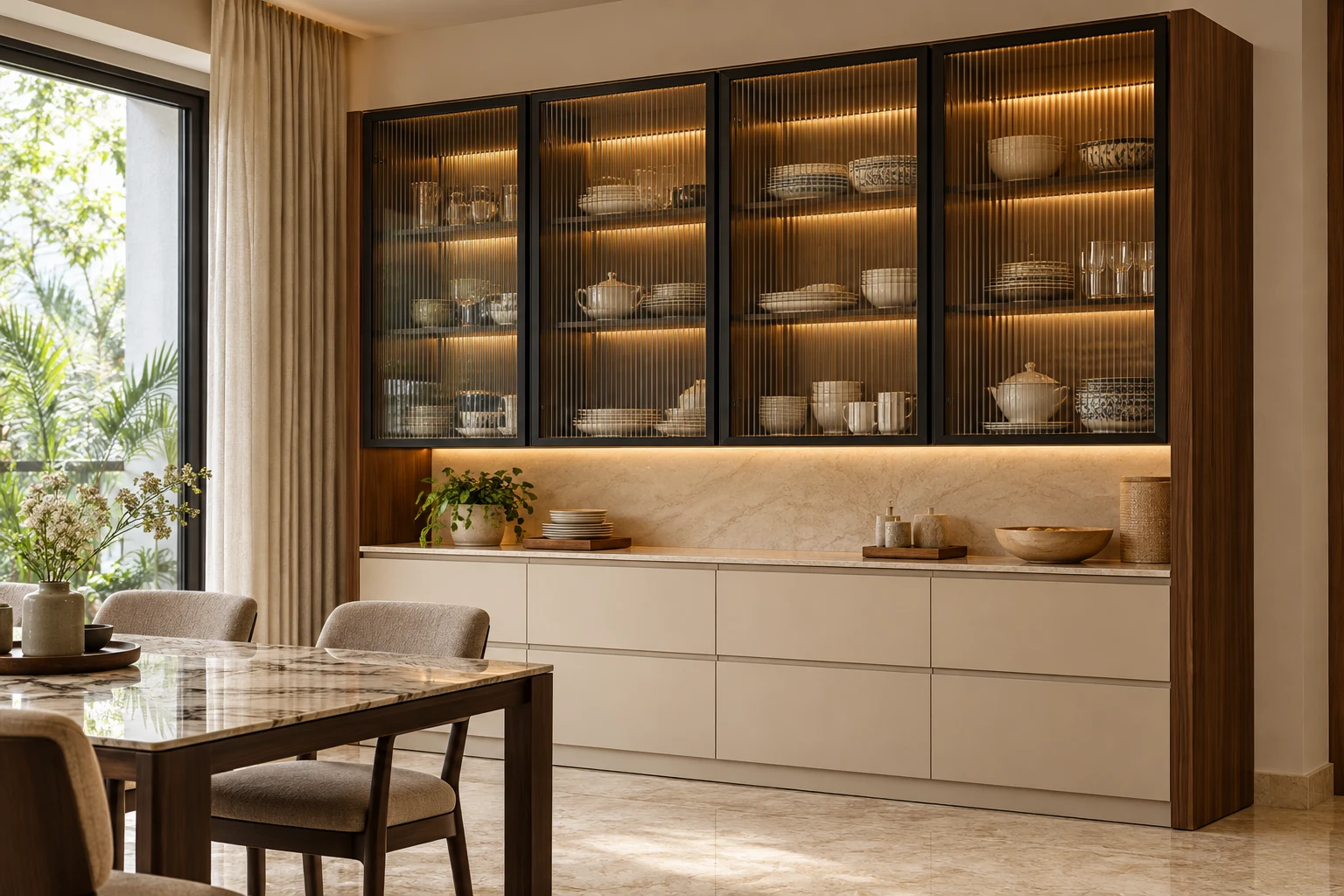

Crockery and Bar Units in Hyderabad
Glass display, closed storage and serving space. Choose a finish and arrangement for your dining room.
Explore crockery designs →Concept reference · Final materials, finish and Hettich accessories confirmed in your measured schedule.
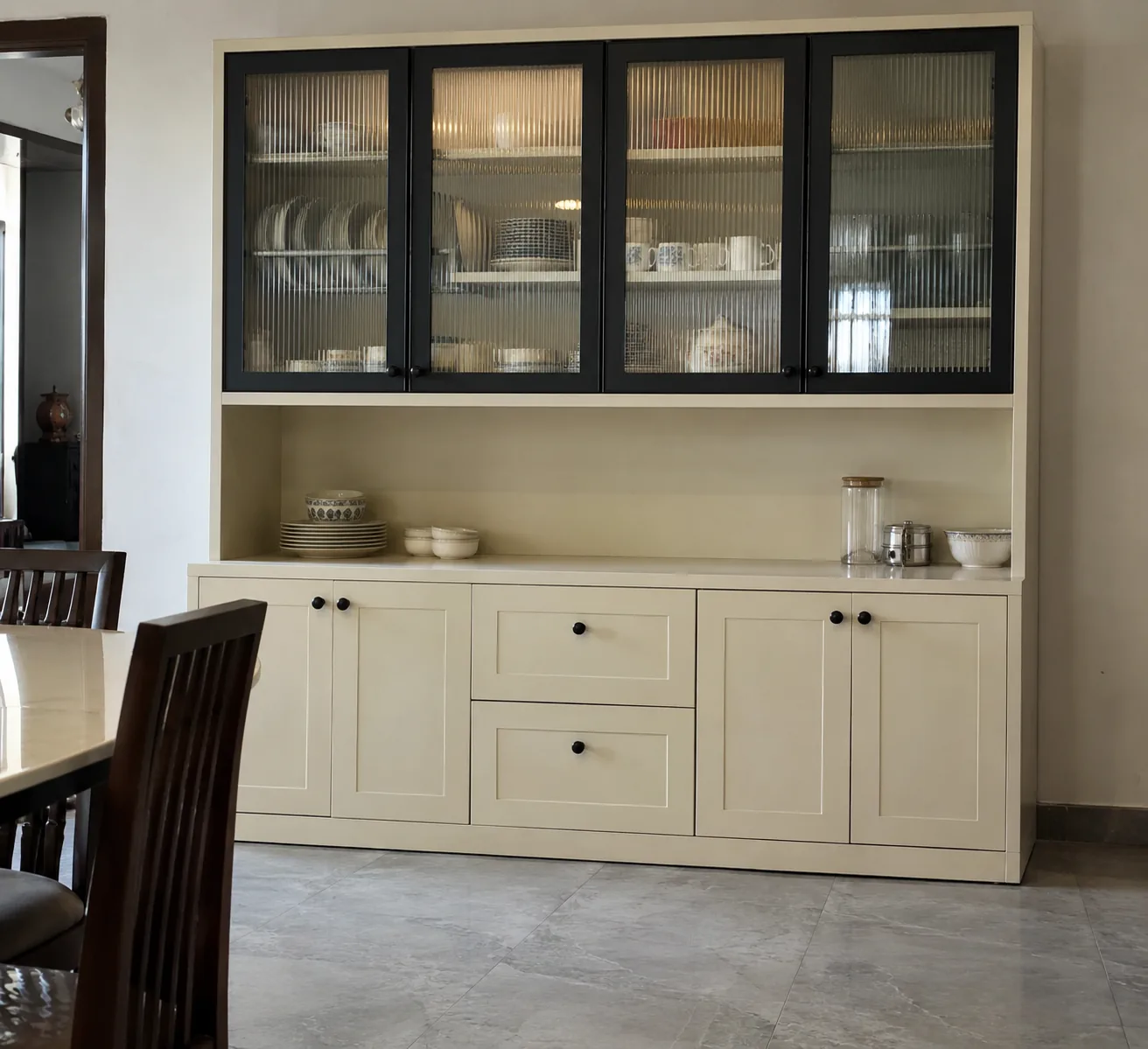
Crockery and Bar Units in Hyderabad, planned beyond appearance.
Crockery and bar storage works best near dining but outside busy circulation. We separate daily plates, occasional serveware, glassware, bottles and appliances, then decide what deserves display. Integrated lighting and glass are used selectively so the unit remains elegant when fully stocked.
Three decisions that shape the result.
Protected display
Glass-front zones show selected pieces while reducing dust exposure.
Serving-ready storage
Plan drawers, counter height and appliance points around entertaining.
Safe organisation
Keep fragile glassware, bottles and daily crockery in purpose-specific zones.
Start with the version that fits your room.
- Full-height crockery wall
- Compact dining sideboard
- Illuminated bar display
- Crockery and appliance cabinet
Measure the largest plates, serving dishes and appliances before setting shelf depths. Lighting colour and glass tint should be approved with the room finishes.
A better quotation names every important specification.
When comparing Crockery and Bar Units in Hyderabad, ask for a measured layout, the exact metal system, finish sample, hardware schedule and itemised cabinet or unit list. Confirm how Full-height crockery wall, Compact dining sideboard, Illuminated bar display, Crockery and appliance cabinet affect the final scope. This makes different quotations easier to compare and reduces assumptions after production begins.
Review access, clearances, service points and daily-use storage with the designer, then record approved colours and accessories before manufacturing. Metal grade, coating preparation and hardware quality should be described in writing. For broader material and product-standard guidance, you can also consult the Bureau of Indian Standards. Metal & More will translate the final decisions into a room-specific specification and measured quotation.
See the room, material and storage as one composition.
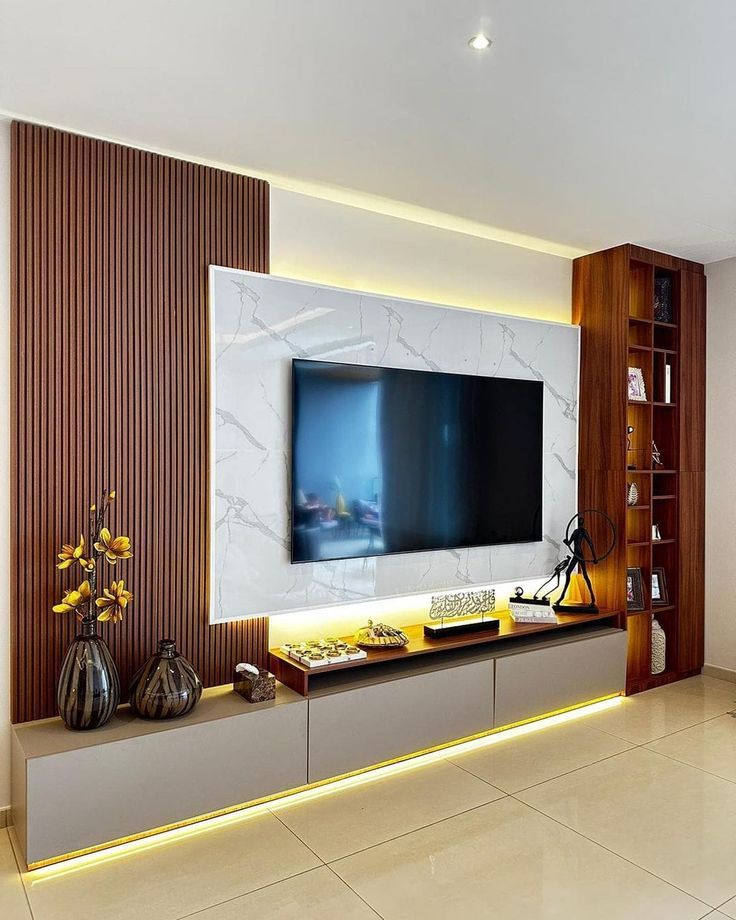
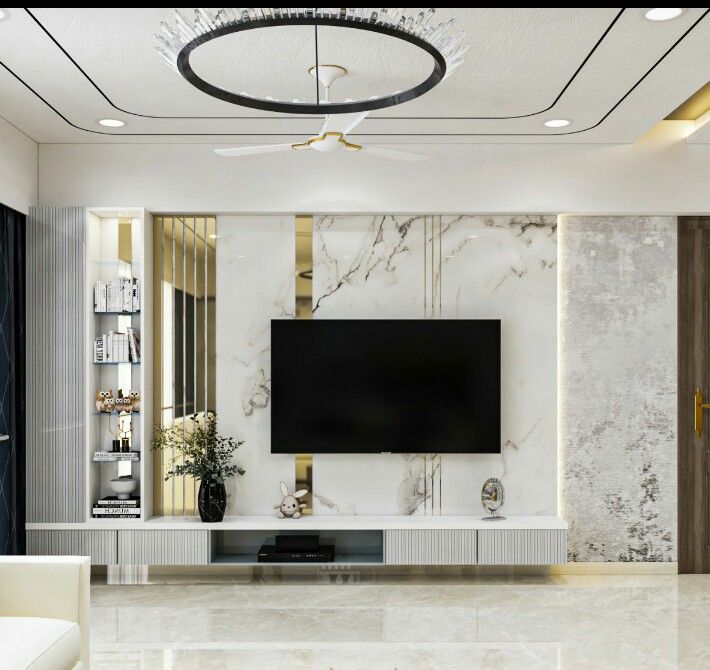
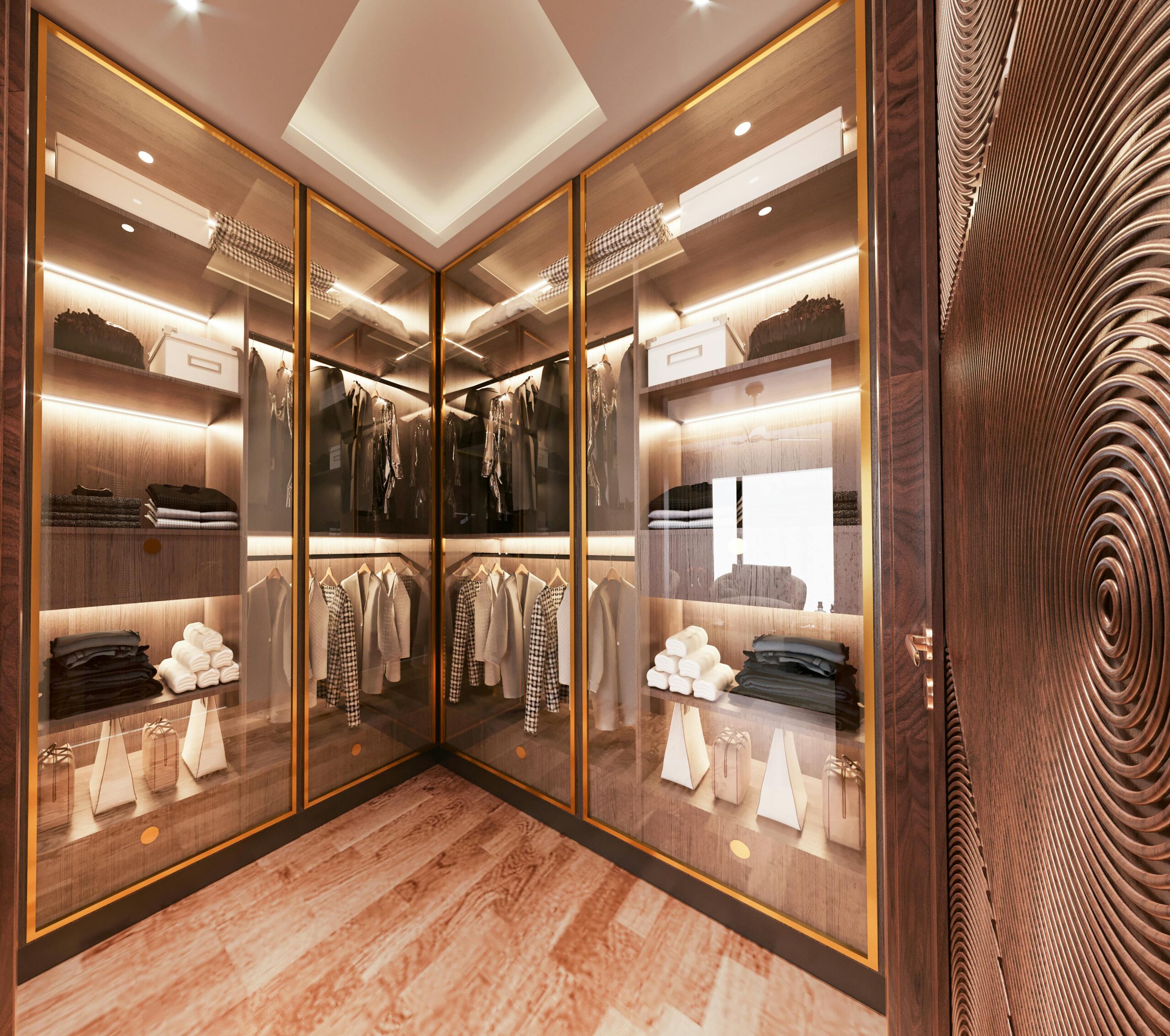
Four checks that prevent expensive assumptions.
Open only the topics you need. This keeps the page simple while preserving the practical detail required for a confident decision.
What should be measured before design approval?
Measure wall lengths at more than one height, finished floor levels, ceiling beams, windows, doors and every electrical or plumbing point that can affect crockery and bar units in hyderabad. Photograph skirting, columns and nearby furniture, then record the clear movement zone rather than only the empty wall. Measure the largest plates, serving dishes and appliances before setting shelf depths. Lighting colour and glass tint should be approved with the room finishes.
A final factory drawing should show overall size, module divisions and opening clearances so both homeowner and production team review the same information.
How should materials and finishes be compared?
Compare samples in the room during daytime and after the main lights are switched on. Ask the quotation to name the base metal system, surface preparation, finish type, colour, sheen and edge treatment instead of using a broad label such as premium finish. Glass-front zones show selected pieces while reducing dust exposure. Plan drawers, counter height and appliance points around entertaining. Keep one signed or photographed reference sample with the approved schedule because phone screens and catalogue printing can shift colour noticeably.
Which storage and hardware decisions matter most?
List daily, weekly and occasional items separately before choosing accessories. The options for this project may include Full-height crockery wall, Compact dining sideboard, Illuminated bar display, Crockery and appliance cabinet. Give the easiest reach to daily items, protect full opening for drawers and doors, and avoid mechanisms that consume more space than they organise. Keep fragile glassware, bottles and daily crockery in purpose-specific zones. Hardware brands, load ratings, handle details and soft-close expectations should appear in the final specification so alternatives are discussed before ordering.
What should the quotation and handover document contain?
A clear quotation for crockery and bar units in hyderabad should identify included modules, dimensions, material system, finish, hardware, accessories, transport, installation and any site preparation that remains with the homeowner. It should also separate optional upgrades from the confirmed base scope. Before handover, check alignment, opening movement, finish consistency, service access and the agreed internal arrangement. Request basic care guidance and keep the approved drawing, quotation and handover notes together for future reference.
How can the budget stay aligned with priorities?
Begin with the modules and functions that solve the main problem, then price optional accessories and finish upgrades separately. For Crockery and Bar Units in Hyderabad, the priority list should follow the room routine rather than a promotional package that may contain unnecessary items. Compare like-for-like metal systems, hardware and finishes before judging totals. If the budget changes, adjust optional mechanisms, display elements or finish complexity first; do not remove essential clearances, structural support, safe service access or the storage zones used every day.
What site-readiness checks protect the installation?
Confirm that flooring, wall finishes, ceiling work and major electrical or plumbing changes are complete before final production measurements. The installation route must also accommodate the largest module, with lift, staircase, doorway and parking restrictions shared in advance. Keep the work area clear and identify building time limits or permissions. A dry, secure storage position is useful when units arrive in stages. These checks help the team install crockery and bar units in hyderabad without preventable damage, resizing or conflict with other site trades.
How should the finished interior be cared for?
Use a soft damp cloth for routine cleaning and follow the specific guidance supplied for the selected metal and finish. Avoid abrasive pads, harsh chemicals and standing moisture around joints or hardware. Wipe spills promptly, keep ventilation paths open and do not overload shelves or pull-outs beyond their intended use. Track adjustments early if a shutter, drawer or sliding panel begins to rub. Simple care and timely hardware alignment help Crockery and Bar Units in Hyderabad retain a clean appearance and comfortable movement over years of use.
Can the design adapt to future changes?
Discuss foreseeable appliance replacements, growing children, changing clothing needs, work-from-home use or a future room conversion before the internal divisions are fixed. Adjustable shelves and sensibly sized zones usually adapt better than too many specialised accessories. Keep service points reachable and avoid trapping removable equipment behind permanent panels. Where practical, standard module logic can make later replacement or reconfiguration simpler. The aim is not to predict every change, but to prevent Crockery and Bar Units in Hyderabad from becoming unnecessarily rigid after installation.
What should you expect from the design consultation?
A useful consultation should clarify the room problem before presenting a finish. Share photographs, approximate dimensions, inspiration references, the people who use the space and a realistic investment range. The designer should explain layout trade-offs, material choices, what is included and which decisions need a site survey. For Crockery and Bar Units in Hyderabad, leave the discussion with a clear next step: measurement, preliminary layout, sample review or scope estimate. Good documentation makes the conversation more valuable and gives both sides a reliable basis for the detailed quotation.
How do colour and lighting change the final appearance?
The same finish can look cooler near daylight and warmer under decorative lamps, so view physical samples beside the room flooring, wall colour and major furniture. Check matte and reflective surfaces from the normal standing position because glare and fingerprints are noticed differently across large elevations. Plan task lighting for work areas and softer ambient light for display zones. When approving Crockery and Bar Units in Hyderabad, record the finish code, sheen and sample reference under the lighting that will actually be used after handover.
Which safety and accessibility details deserve attention?
Frequently used shelves should sit within comfortable reach, with heavy items stored low and rarely used items placed higher. Protect walking space from projecting handles and confirm that shutters, drawers and pull-outs cannot collide with doors, appliances or nearby furniture. Children, older family members and left-handed users may need different heights or opening directions. Stable fixing, controlled edges, ventilation and clear service access are practical parts of Crockery and Bar Units in Hyderabad and should be reviewed with the same care as colour and styling.
When is a combination of materials useful?
A single material system can keep specification simple, while a considered combination may place different properties where they are most useful. The choice should respond to moisture exposure, load, span, finish expectation, maintenance and budget rather than a generic hierarchy. Ask the designer to label each material on the drawing and explain transitions at corners, shutters and internal units. For Crockery and Bar Units in Hyderabad, a combination is successful only when the performance logic is clear and the visible result still feels deliberately coordinated.
What belongs in the final design review?
Before authorising production, read the drawing room by room and simulate daily actions: open the main doors, remove a frequently used item, reach a switch, clean a corner and access any appliance or service point. Confirm dimensions, internal divisions, finish codes, handles, glass, lighting, hardware and optional accessories. Mark every revision on one current drawing so older versions cannot create confusion. The final review for Crockery and Bar Units in Hyderabad should end with signed scope clarity, not only approval of a perspective image.
How should warranty and after-sales support be understood?
Ask which parts are covered, the length of each coverage period, exclusions, service response process and whether consumable or adjustment items are treated differently. Manufacturer warranties for hardware may not be identical to workmanship or finish support, so keep invoices and product details. Report alignment or movement concerns early rather than forcing a component. For Crockery and Bar Units in Hyderabad, documented care guidance, accessible service points and a clear support contact are as valuable as the headline warranty duration.
Record the handover date, approved finish and hardware references in one homeowner file. If service is needed later, photographs and a concise description of the affected unit help the support team understand the issue before visiting. A practical warranty conversation should explain maintenance responsibilities in plain language and distinguish normal adjustment from material or manufacturing defects.
How can project decisions stay organised from design to installation?
Keep one current decision register for Crockery and Bar Units in Hyderabad with the approved drawing date, module list, material system, finish codes, hardware, accessories and any site responsibilities. When a change is requested, record what changed, why it changed and whether it affects cost, production or installation timing. Replace superseded drawings in the active review folder instead of keeping several unlabeled versions in the same chat. Photograph physical samples beside their written codes and identify who approved them.
Before production, compare the final schedule against the measured room and appliance information. Before delivery, confirm site readiness, access timing and the responsible contact at the property. During installation, collect open points in one short list and close them against photographs or a walkthrough. This simple documentation rhythm reduces verbal assumptions, prevents an old finish or module detail from returning later, and makes handover much clearer for the homeowner, designer and factory team.
Build a scope before comparing a price.
Begin your crockery and bar units in Hyderabad estimate with cabinet size, display storage and serving space. Confirm glass, lighting and Hettich accessories in the measured quotation.
From room measurement to installed metal interiors.
Share the room, routine, priorities and approximate budget.
Review layout, internals, material system and finish samples.
Approved modules move to controlled factory production.
Site-ready units are installed, checked and handed over.
Useful answers before you begin.
Every project is measured and specified individually. These answers explain the starting point; your quotation documents the final scope.
Can a crockery unit include a coffee machine?
Yes, with sufficient counter depth, ventilation and a planned electrical point.
Which glass works for display shutters?
Clear, fluted or tinted glass can be selected with suitable framing and safety considerations.
Can a bar unit be lockable?
Selected storage zones can include locking hardware when planned at the design stage.
Crockery layouts for your dining room
Use these concept references to discuss the measured layout. Confirm cabinet materials, shutters and finishes separately; these images are not completed-project evidence.
Steel Ivory Classic Fluted Crockery
Ivory square-panel base doors support a serving surface beneath dark-framed glass overheads. The open recess separates the two storage zones and provides an area for arranging cups or trays.
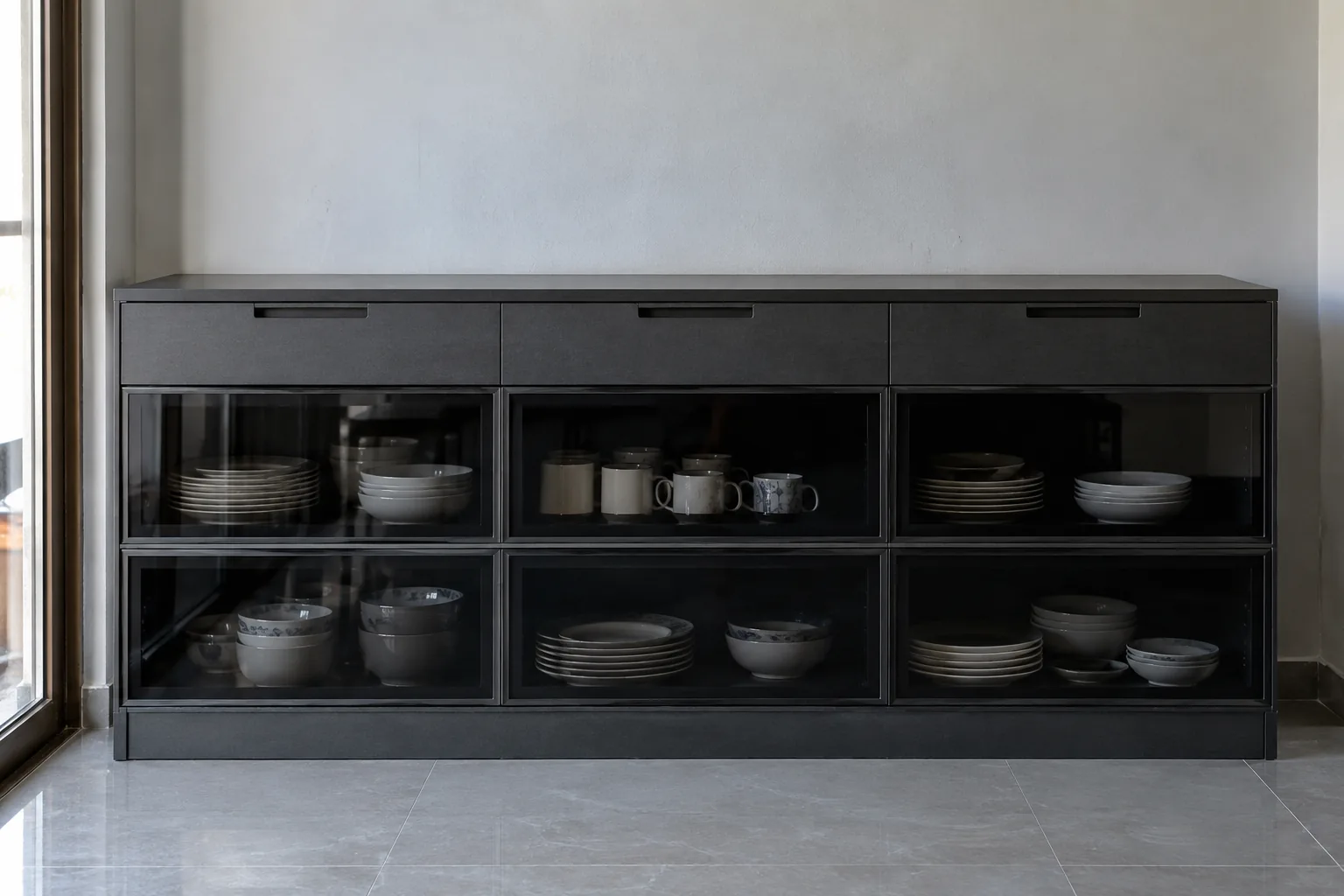
Steel Charcoal Laminate Grid Crockery
This is a low sideboard with charcoal fronts and a broad grid of dark glass panels. A flat serving top spans the whole unit; there are no overhead cabinets in the image.
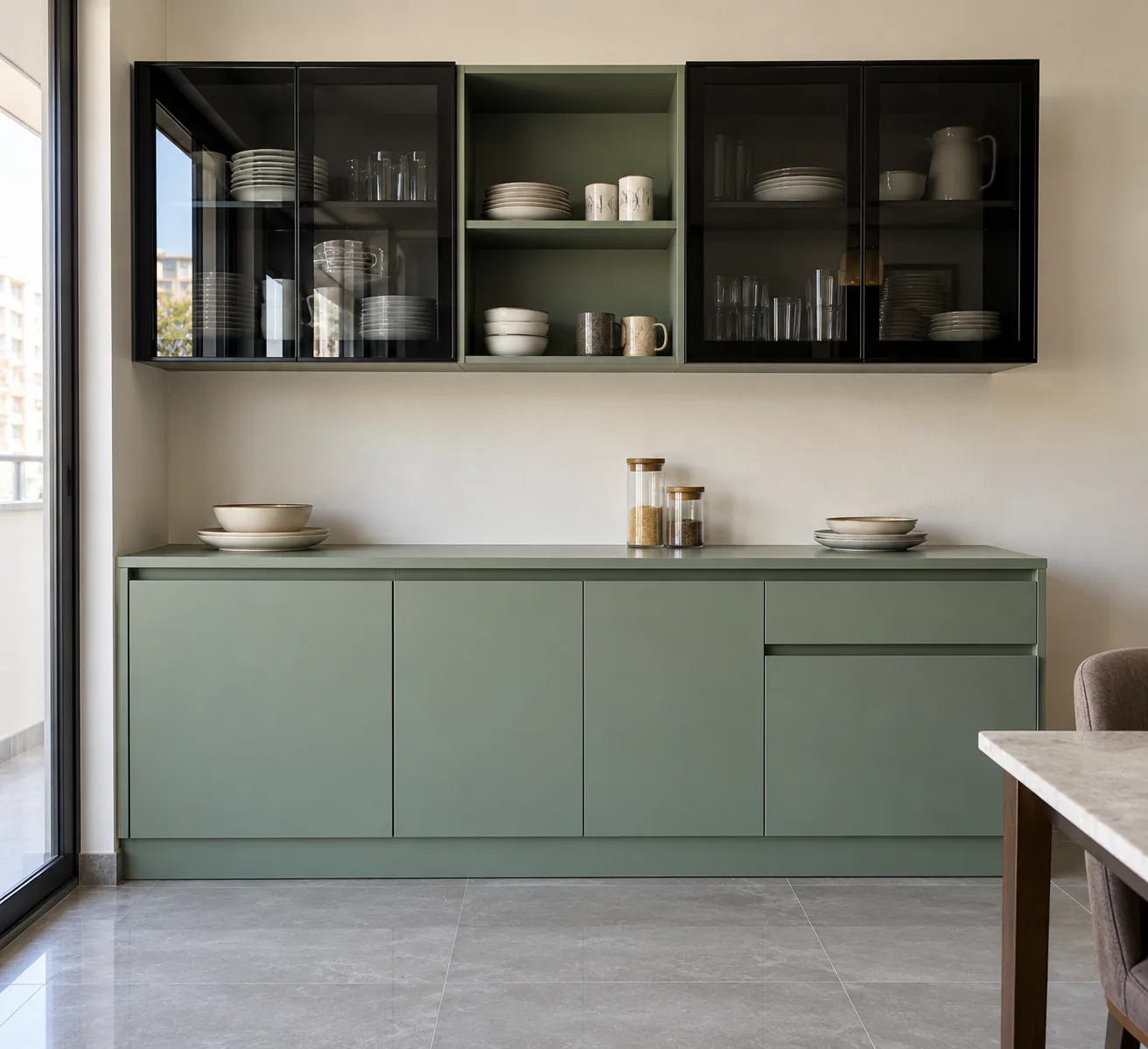
Steel Sage Modern Grounded Crockery
A sage floor-supported cabinet sits below a dark-framed wall display. The display includes glazed sections around an open central bay; the wall gap offers an uncluttered serving area.
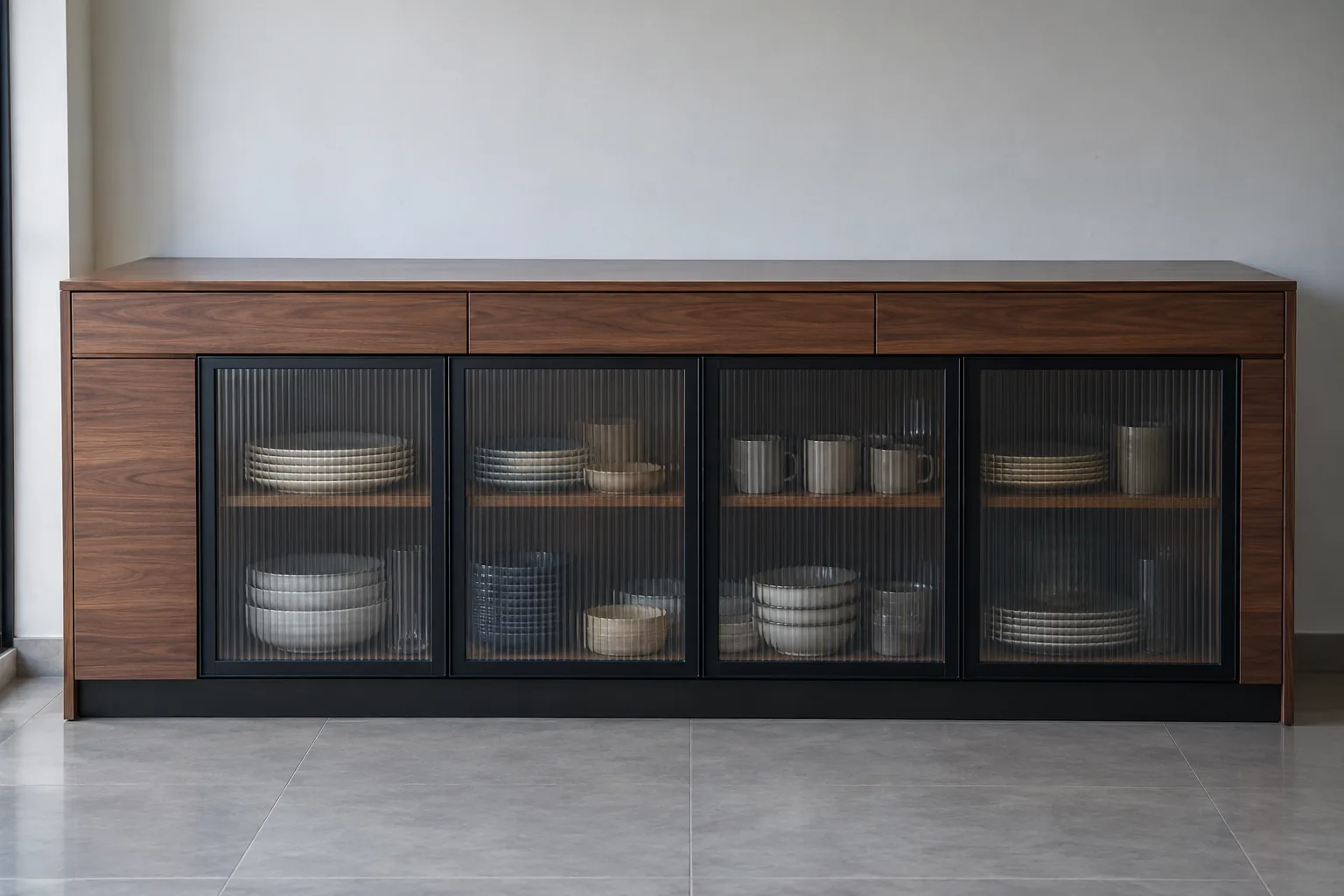
Steel Walnut Modern Fluted Sideboard
The walnut-look cabinet is a single low rectangular sideboard with framed glass fronts. Its uninterrupted top can support serving or display items, and the concept has no elevated wall unit.
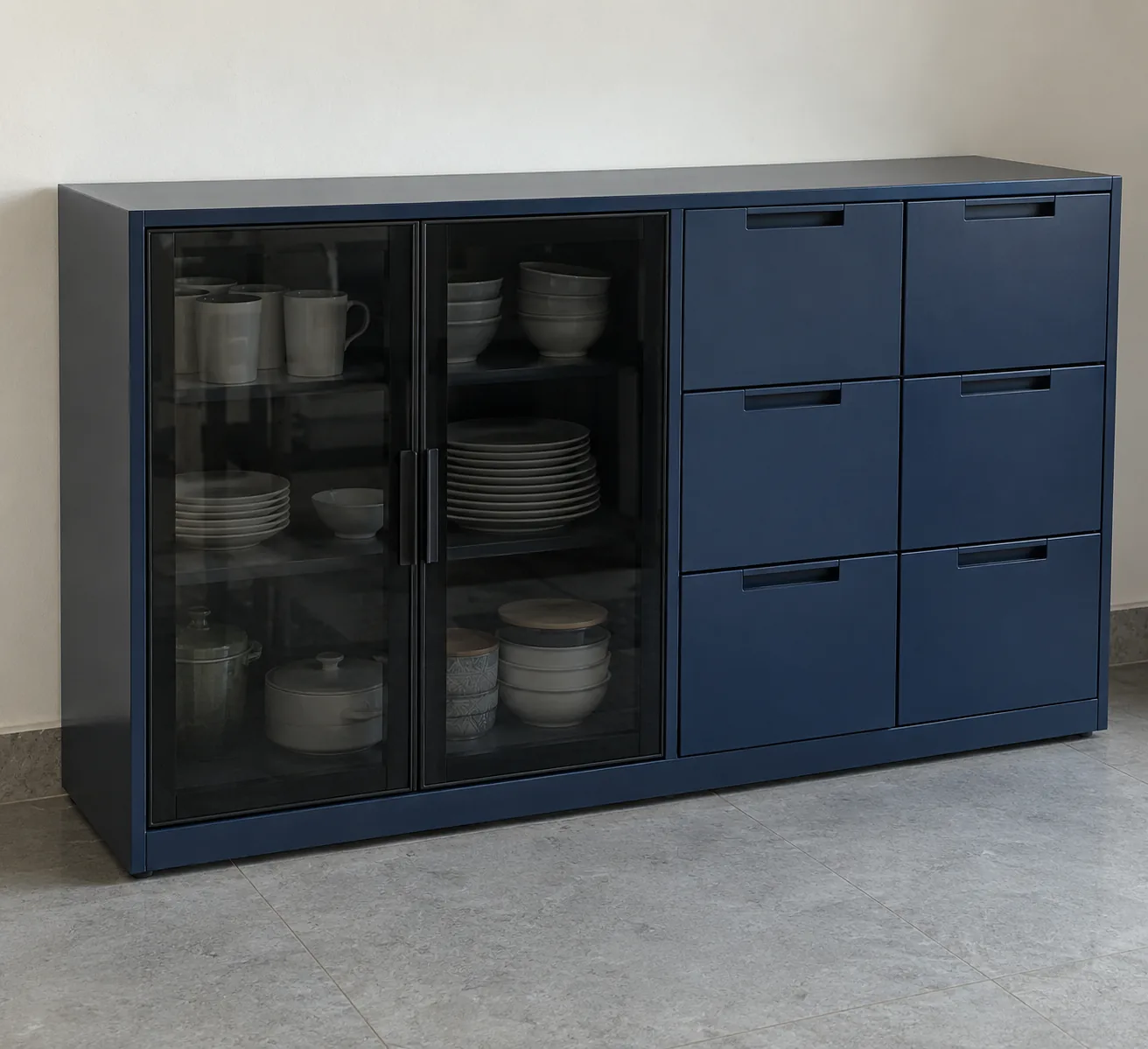
Steel Navy Modern Offset Crockery
The low navy cabinet combines a larger glass-front display zone at the left with closed drawers or door bays at the right. This asymmetry differentiates it from an equal-width glass grid.
Choose glass crockery storage around what you display
Start with the plates, glasses and serving pieces you want to store. A glass-front crockery cabinet makes the arrangement visible; tinted black glass creates a darker front, while fluted glass diffuses the view. Confirm the selected glass sample and surrounding finish together because the room lighting affects their appearance.
Use closed lower cupboards for items you prefer to keep out of sight. Check the depth of serving bowls, shelf spacing, shutter opening space and the height of a serving surface against your actual dining room. A grounded sideboard and a tall display cabinet have different storage patterns even when their colours are similar.
Specify the cabinet material, shutter construction and selected Hettich accessories separately. Concept renders show a design direction and are not completed-project photographs. Use the estimator to begin a measured discussion rather than treating an image as a fixed package or a quoted cabinet price.
Let’s plan the right metal interior for your home.
Bring a floor plan or room measurements. We’ll help turn the idea into a clear scope.
Check the serving route
Before approving a crockery unit, check the route between the cabinet and dining table with a tray in hand. Confirm that an open shutter does not block that route. Keep the serving top accessible and place frequently used cups and plates in compartments that suit your everyday reach.